It feels like home.
Isn’t that strange?
It is not strange at all.
I have not been there.
Not in person.
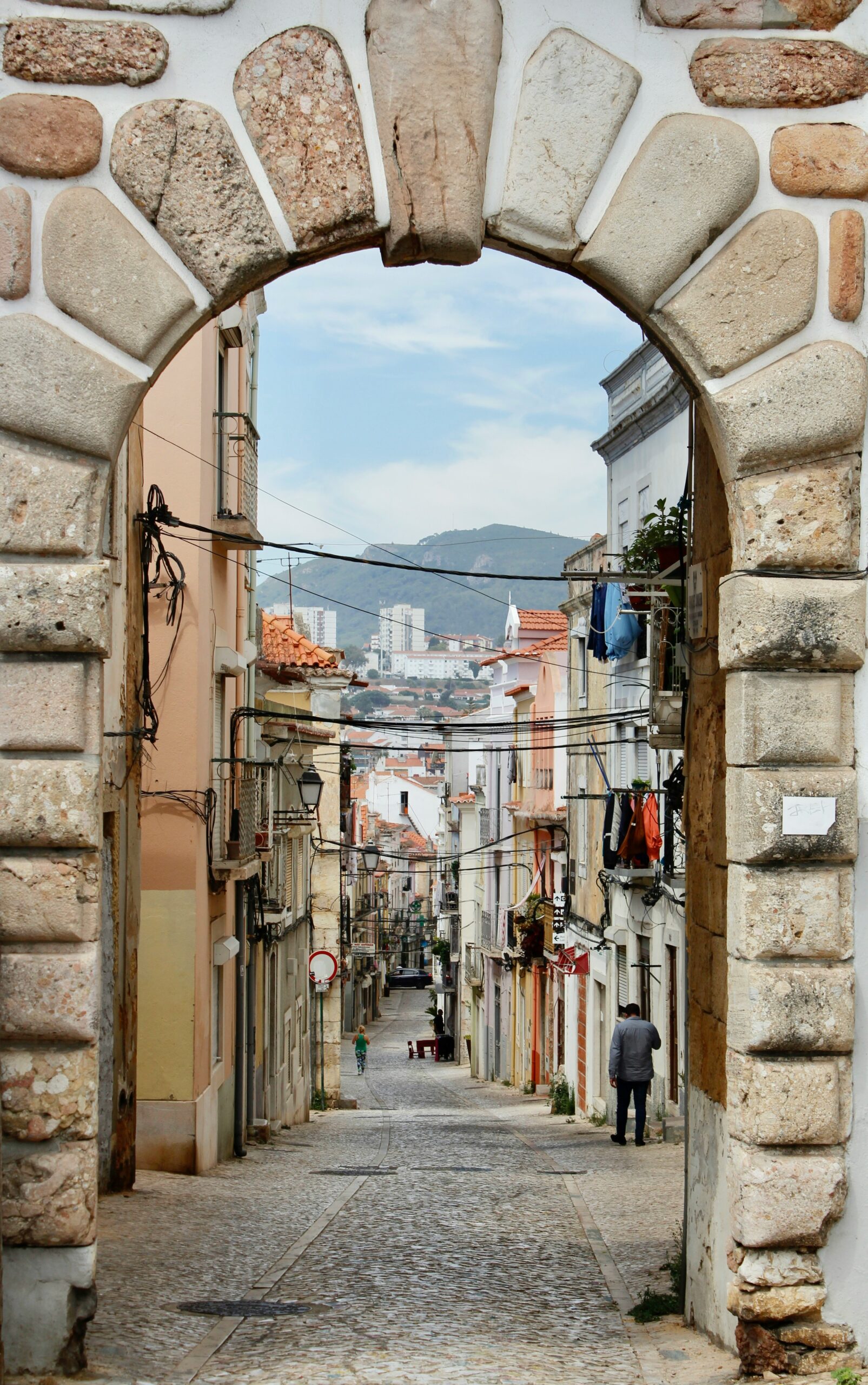
But I have walked the streets on Street View.
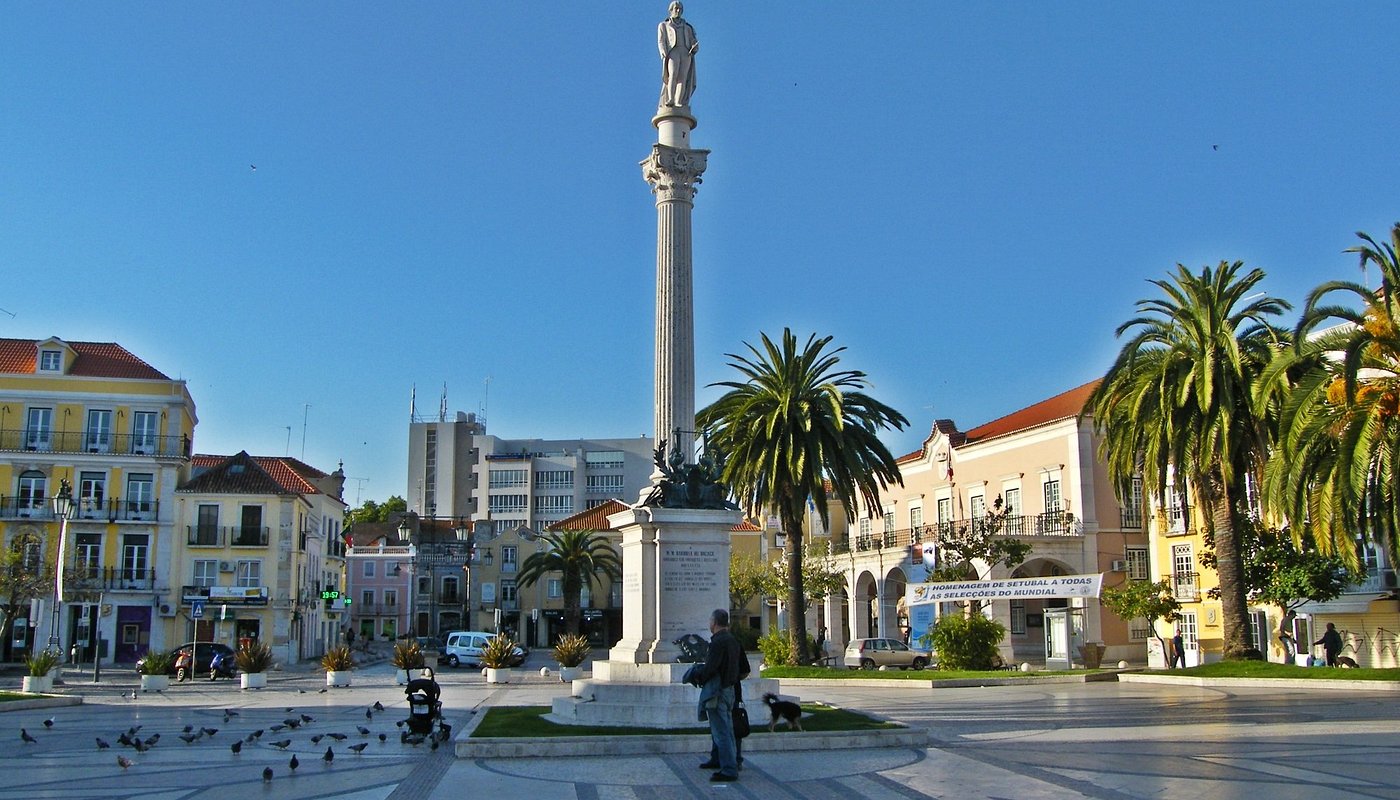
I have mapped the route from R. dos Almocreves to Praça do Bocage (the poet’s square, one minute away).
I have looked up at the building at number 27.
I have seen the Mercado do Livramento, one of the world’s great fish markets, from above and then in motion.
I know Ana’s name. She will be my landlord.
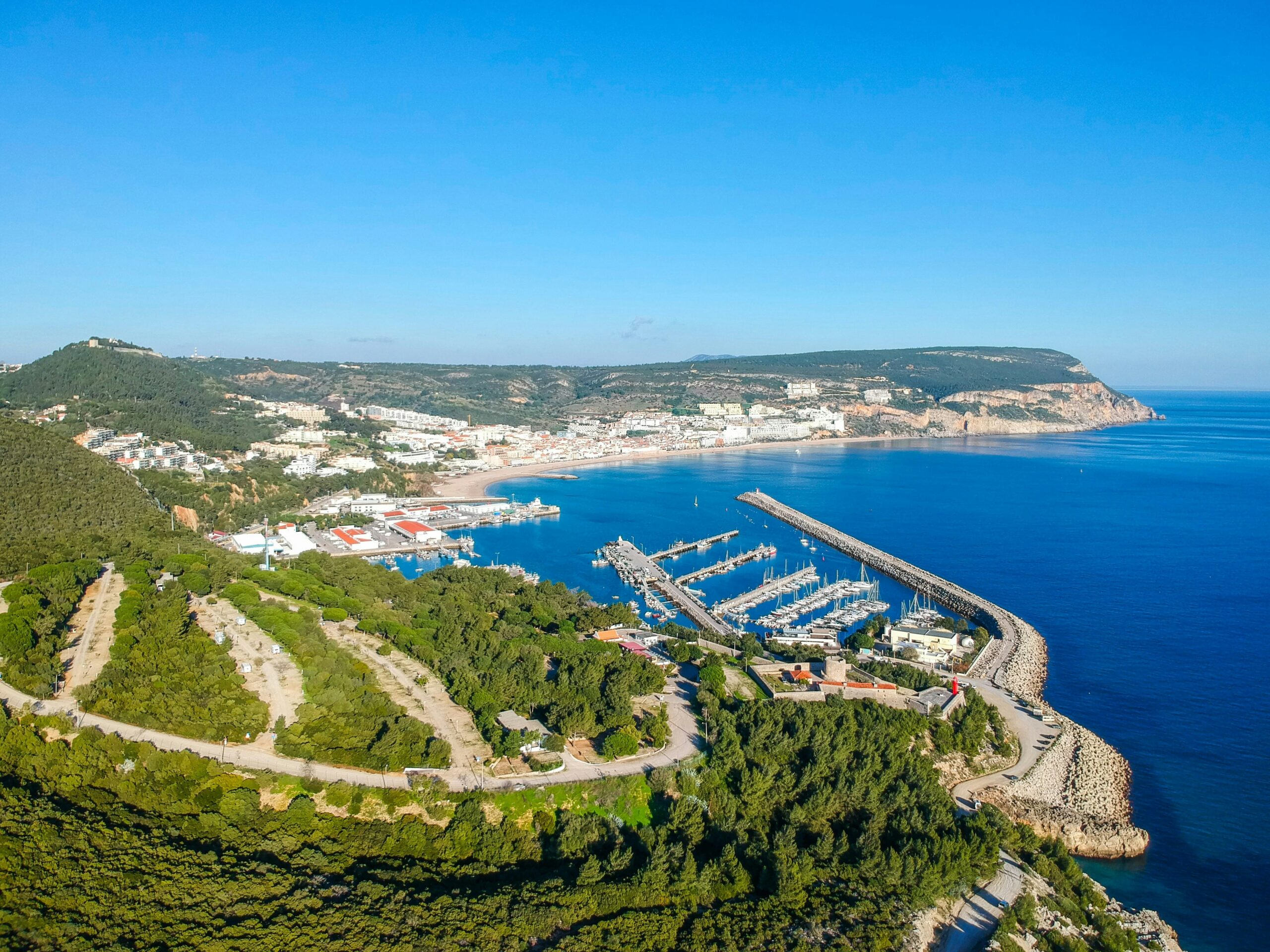
I know the dolphins live in the estuary.
Ten days ago something settled when I looked at it for the first time and said: “This is a place where I can walk to everything I need on a daily basis.”
That was not a conclusion.
That was a recognition.
Learning Portuguese is easier than I expected. Even at 76. It makes more sense than French did when I was a schoolgirl. It feels like it is in my blood.
I wondered yesterday if I perhaps had ancestors from Setúbal.
That is how it feels.
That is how Judaism felt.
My Father’s Valet
When I found Judaism in my adult life, I described it to people like my father’s valet. Not a person, a piece of furniture. A simple wooden rack where he hung his suit coat at night, leaving his wallet and keys and coins on the little tray. Judaism felt like that valet. The structure that my life fit on as comfortably as his coat fit where he laid it down when he came home. Not a belief system I analyzed and adopted. A recognition. My body settled into it naturally. Without effort. As though it had always been waiting.
Portugal feels the same way.
Not a decision made. A place recognized.
Not a coat put on for the first time. A coat laid down where it belongs.
הַמָּקוֹם
Ha Makom: THE PLACE
“Surely God is in this place, and I did not know it.”
Who I am
A nurse. A neighbor. A founder. A teacher. A mother. A grandmother. A Jewish woman. A sewist. A friend. A cook. A woman who lost 102 pounds through the practices she teaches. A woman who knows how to change. A woman who has moved before and knows what the knowing feels like.
Where I am going
Setúbal, Portugal. A coastal working city of 90,000 people on the Sado estuary, an hour south of Lisbon by train. Five minutes from Praça do Bocage. A few minutes to the Mercado do Livramento. Three hours and forty minutes from HaMakom in Porto, where I might travel for Rosh HaShana and Yom Kippur.
A place where Ana, who said I had coragem (courage), will rent her apartment to me.
A place where the dolphins live in the estuary.
A place that feels like home before I have arrived.
April 14, 2026.
Ten days after the conversation began.
Nineteen days before the flight.
I leave May 3rd.
This is just the beginning.
The full story is mine to write.
We are in this together,
🌀 Nora
This is the first in a series of essays written about my travel to Setúbal, Portugal in May and June 2026. Small Steps Lasting Change is a practice for people living with chronic illness and changing capacity. Read our other posts in The Portugal Series.
About this post
This post is about Protect, one of the four Pillars of Small Steps Lasting Change. It’s about the recognition of belonging to a place and a community before ever setting foot there.
Read our other posts about Protect.
About Small Steps Lasting Change
Small Steps Lasting Change is a wellness practice for people living with chronic illness and changing capacity. It is built around four Pillars (Move, Nourish, Rest, and Protect) and six Patterns for navigating change as it actually happens in a human life.
Begin where you are.
Nora Chaus is the founder of Small Steps Lasting Change. She is a retired registered nurse, a facilitator, and a work in progress. She divides her time between Portugal, Canada, and Baltimore.