Move
Move is working with your body as it is, not as you wish it were.

What Move Is
Move is not about intensity, optimization, or performance.
It is about noticing how your body responds to movement, rest, effort, and constraint and making choices that support you over time.
Movement is not something you add to life.
It is something that is already happening.
Move Is Not
Move is often misunderstood as:
exercise plans
fitness goals
pushing through discomfort
doing more because it’s “good for you”
Those approaches can be useful at times — but they are not the practice itself.
Move begins with awareness, not action.



How Move Shows Up in Daily Life
Movement does not need to be dramatic to matter.
It may look like:
choosing when to move and when to rest
noticing pain, stiffness, or fatigue and responding with care
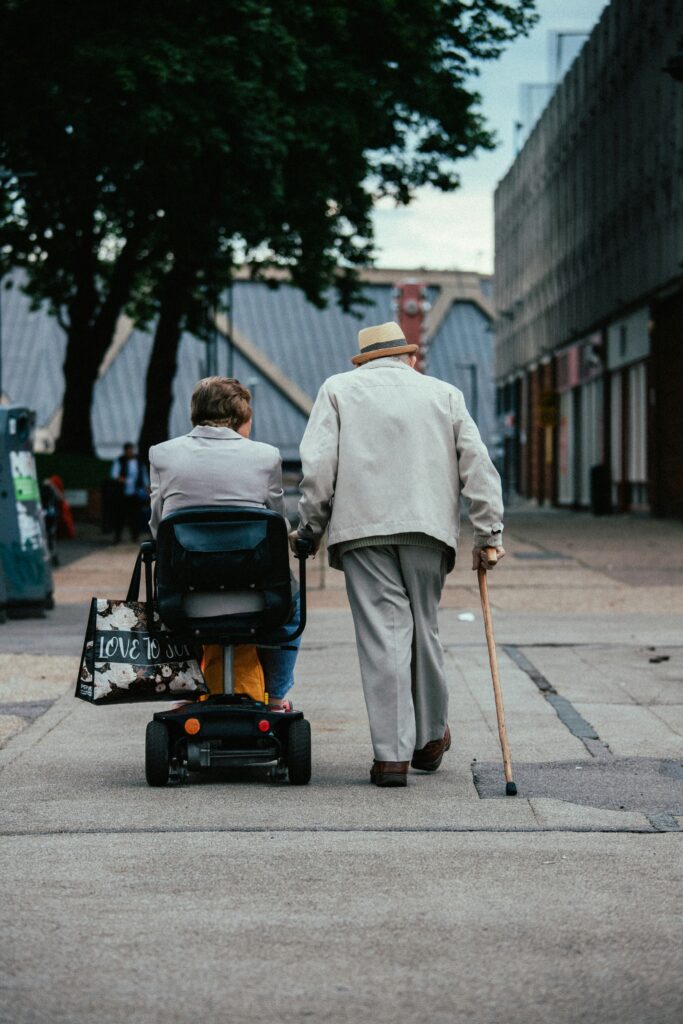
adapting movement when your body changes
letting go of expectations formed in a different season of life
finding ways to move that are supportive rather than depleting.
Move includes:
When Move Becomes Difficult
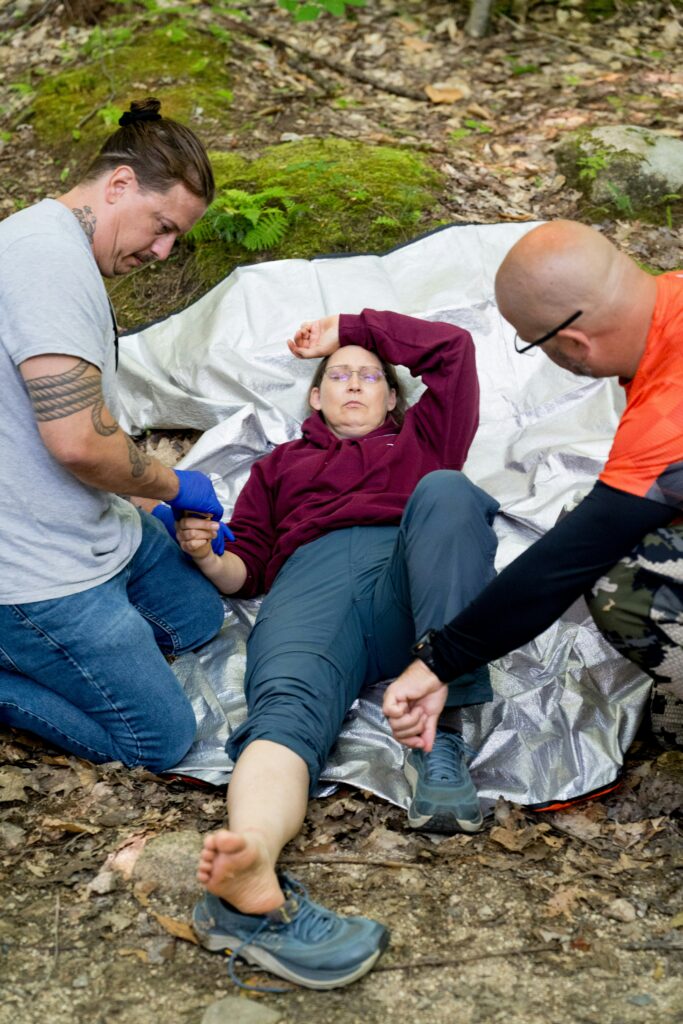
Move often becomes complicated when:
Move can also become difficult when life itself shifts.
Weather, schedule changes, disrupted routines, travel, house guests, holidays, illness, or unexpected demands can all change how, or whether, movement fits into a day.
These disruptions do not mean the practice has failed.
They mean conditions have changed.
This is not a problem to solve.
It is information to work with.
When circumstances shift, the practice of Move asks for adaptation rather than persistence.
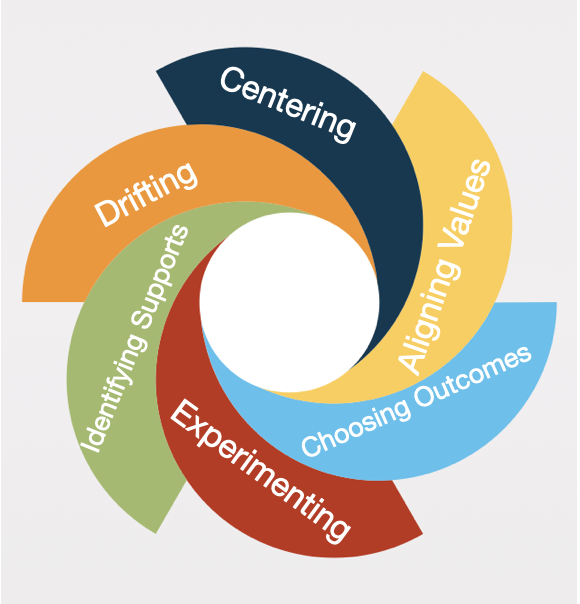
This is where centering, awareness, and experimentation matter most.


How Move Connects to the Patterns
Move is supported by The Patterns.
You may:
Movement changes.
Your relationship to it can change too.
Learn more about The Patterns.
Moving Within Real Life
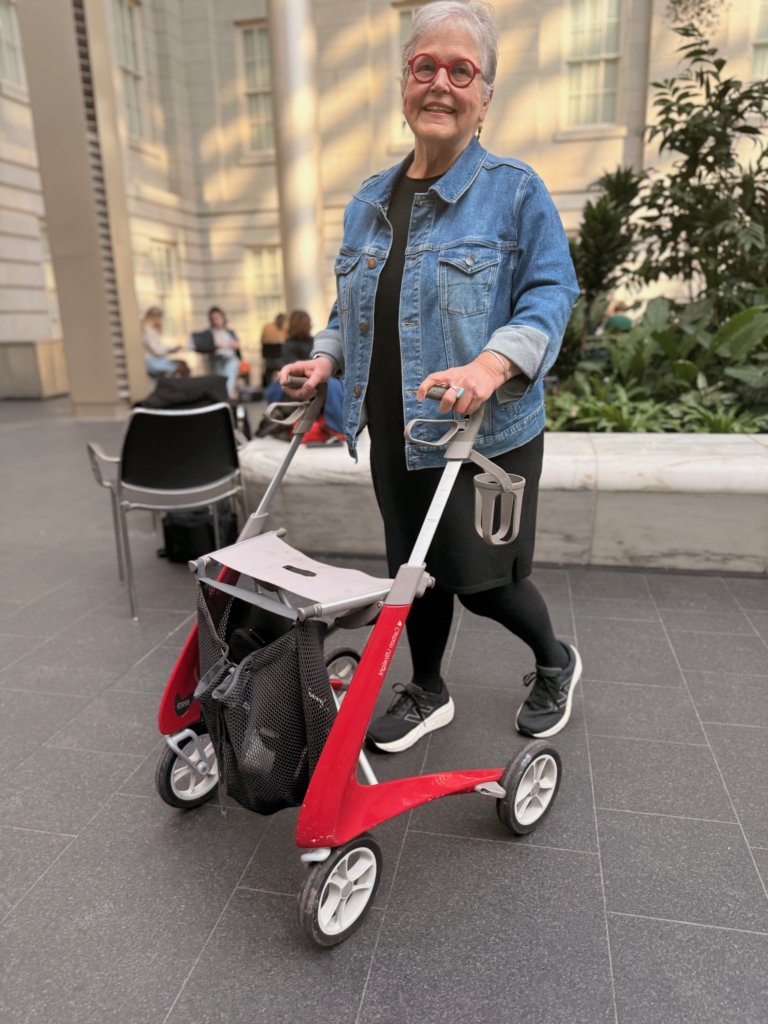
There is no ideal amount of movement that applies forever.
Bodies age.
Conditions change.
Energy fluctuates.
Life intervenes.
Move is not about getting back to something you’ve lost.
It is about becoming aware of what supports you now.

Begin Where You Are
You don’t need a plan before you begin.
You don’t need certainty.
If you want a place to work with movement as it exists in your life right now, you can always begin where you are.
This moment is part of a longer story.
If you want to read it from the beginning, start with On Movement, Part 1: Before I Learned to Stop Moving.]