This is the first in a series on movement, chronic illness, and what it actually takes to find your way back to your body.
Before puberty, I loved movement.
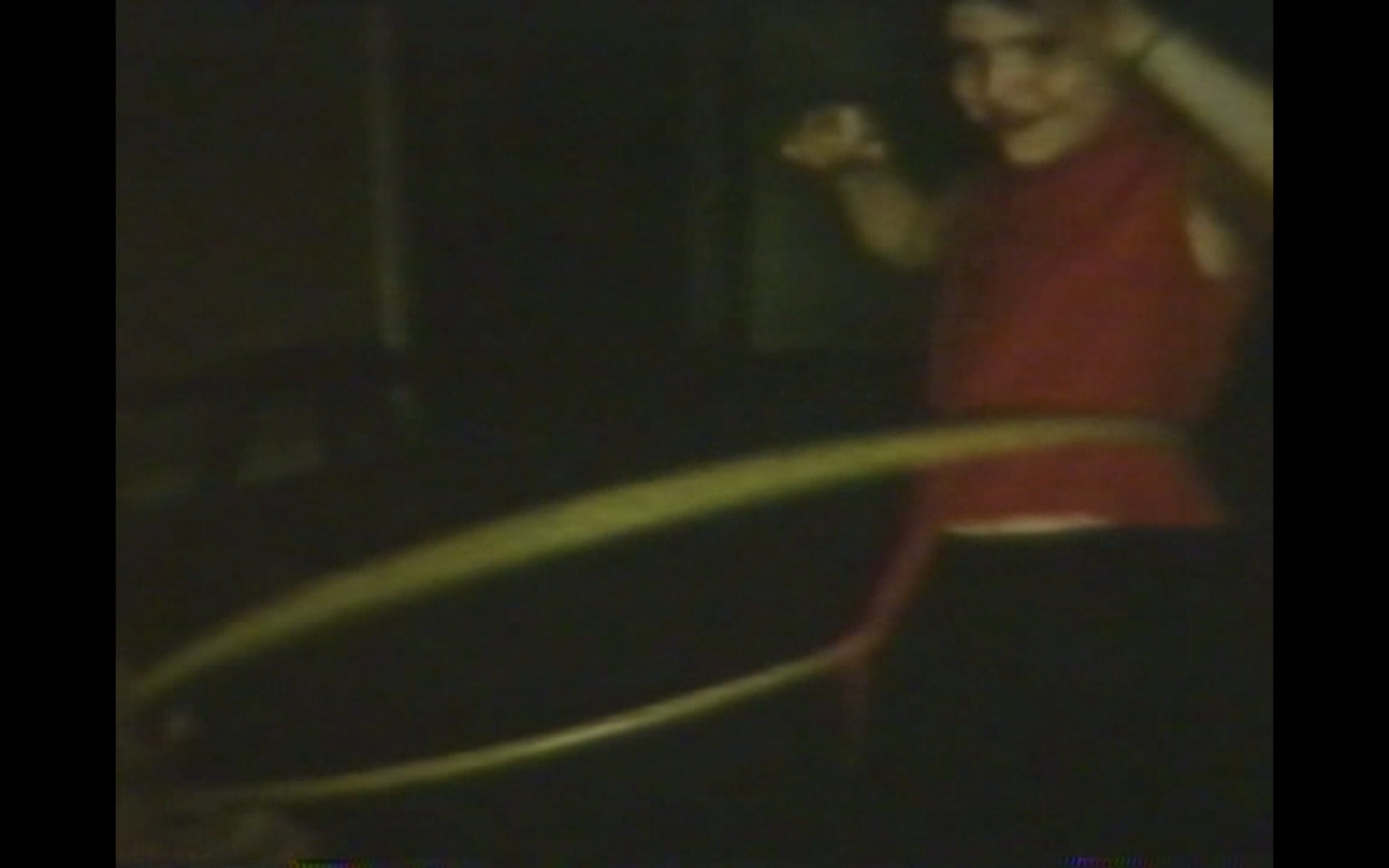
I was the hula hoop champion in elementary school. I rode my bicycle all over the mountain where we lived, riding for hours on end. I knew every path, stream, and waterfall in the woods around me. I could name most of the trees and many of the wildflowers.
I loved jump rope, tag, and playing on the slides and jungle gym. I thought of myself as a tomboy. Movement felt natural. It meant freedom, curiosity, and belonging in my body.
Something changed when I was about eleven.
I began to notice boys. I began to notice my skin getting wet when I was active — and that my underarms didn’t smell the way they used to. That embarrassed me. I started caring about my hair and how I dressed. I wanted to sit still in church when I sat next to a boy so he would think I was older than I actually was.
Around the same time, my physical education teacher wrote on my report card:
“Weak upper arms, must improve.”
Grade: C-.
I had never received a negative comment or grade on a report card before.
Then my periods began.
People told me I couldn’t swim, ride my bicycle, jump on my pogo stick, or use my hula hoop when my period came. No one explained why, just that I shouldn’t.
That was the end of my love of movement.
Not because my body failed me.
But because movement became complicated; watched, judged, restricted, and quietly loaded with rules.
⸻
Adulthood: Trying to Get Back
As I got older, I became less and less active.
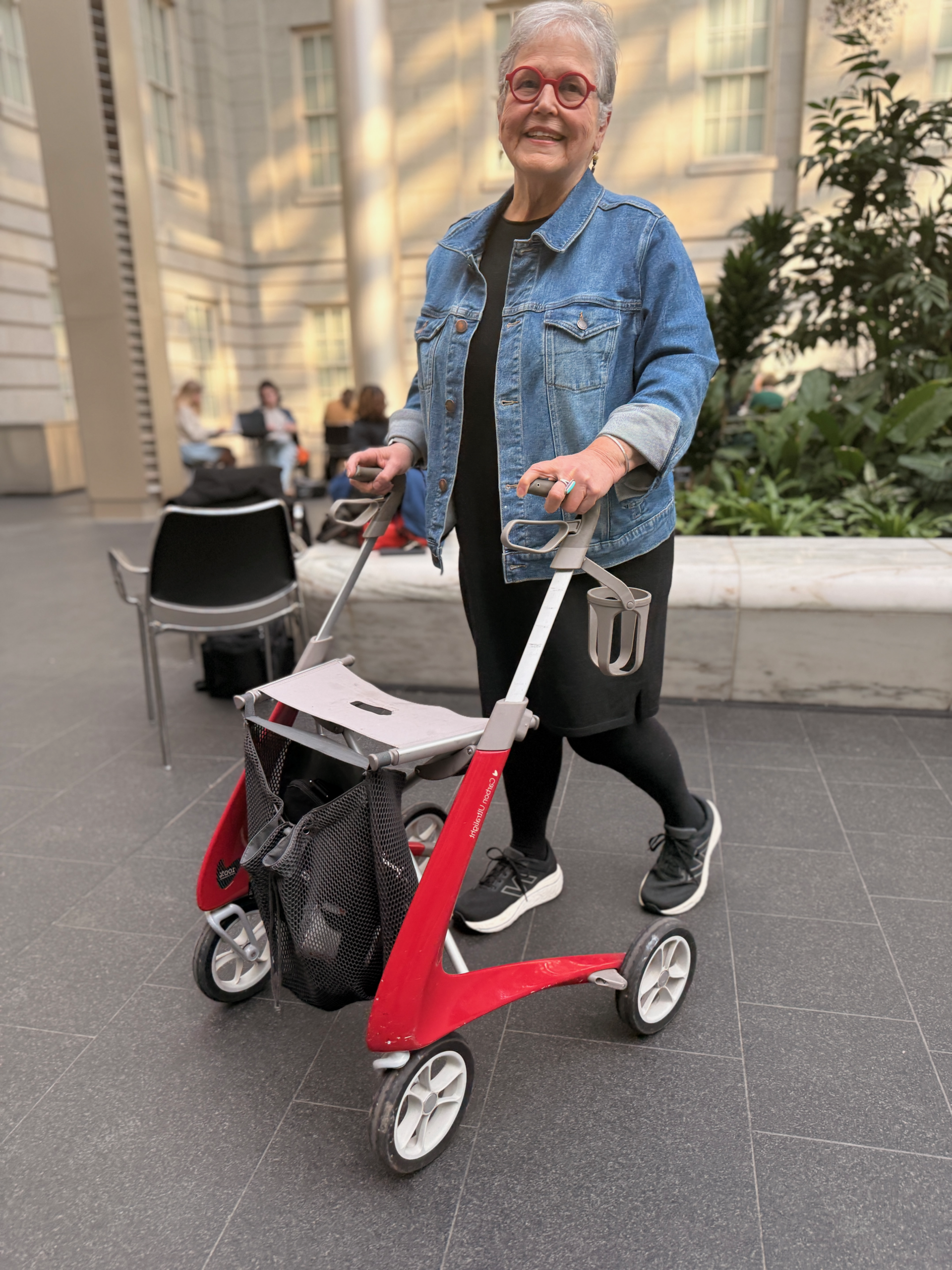
In adulthood, I tried joining gyms to “get more active.” I bought an adult bicycle and tried to enjoy it, but it didn’t feel the same. As a child, my bicycle meant freedom. As an adult with a car and a driver’s license, it felt optional, and somehow performative.
I thought the problem was motivation.
What I didn’t yet understand was that I was still carrying decades of expectation, shame, and interruption — not just injury or habit.
About this post
This post is about Move, one of the four Pillars of Small Steps Lasting Change. It’s the first in a series about how a lifelong relationship with movement was interrupted by puberty, shame, and unspoken rules, and what it takes to build it back. Learn more about Move.
Read our other posts about Move.
About Small Steps Lasting Change
Small Steps Lasting Change is a wellness practice for people living with chronic illness and changing capacity. It is built around four Pillars (Move, Nourish, Rest, and Protect) and six Patterns for navigating change as it actually happens in a human life.
Begin where you are.
Nora Chaus is the founder of Small Steps Lasting Change. She is a retired registered nurse, a facilitator, and a work in progress. She divides her time between Portugal, Canada, and Baltimore.