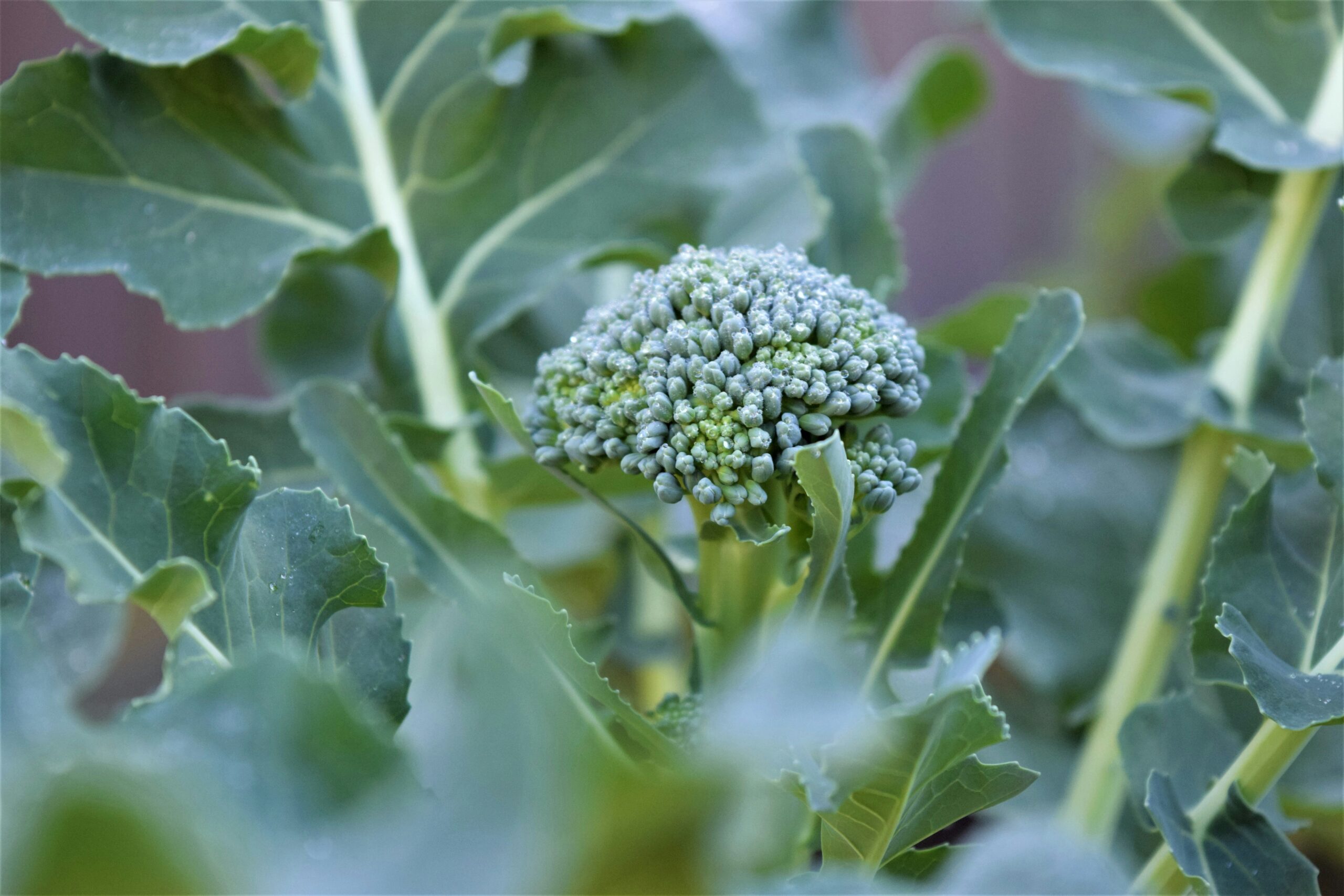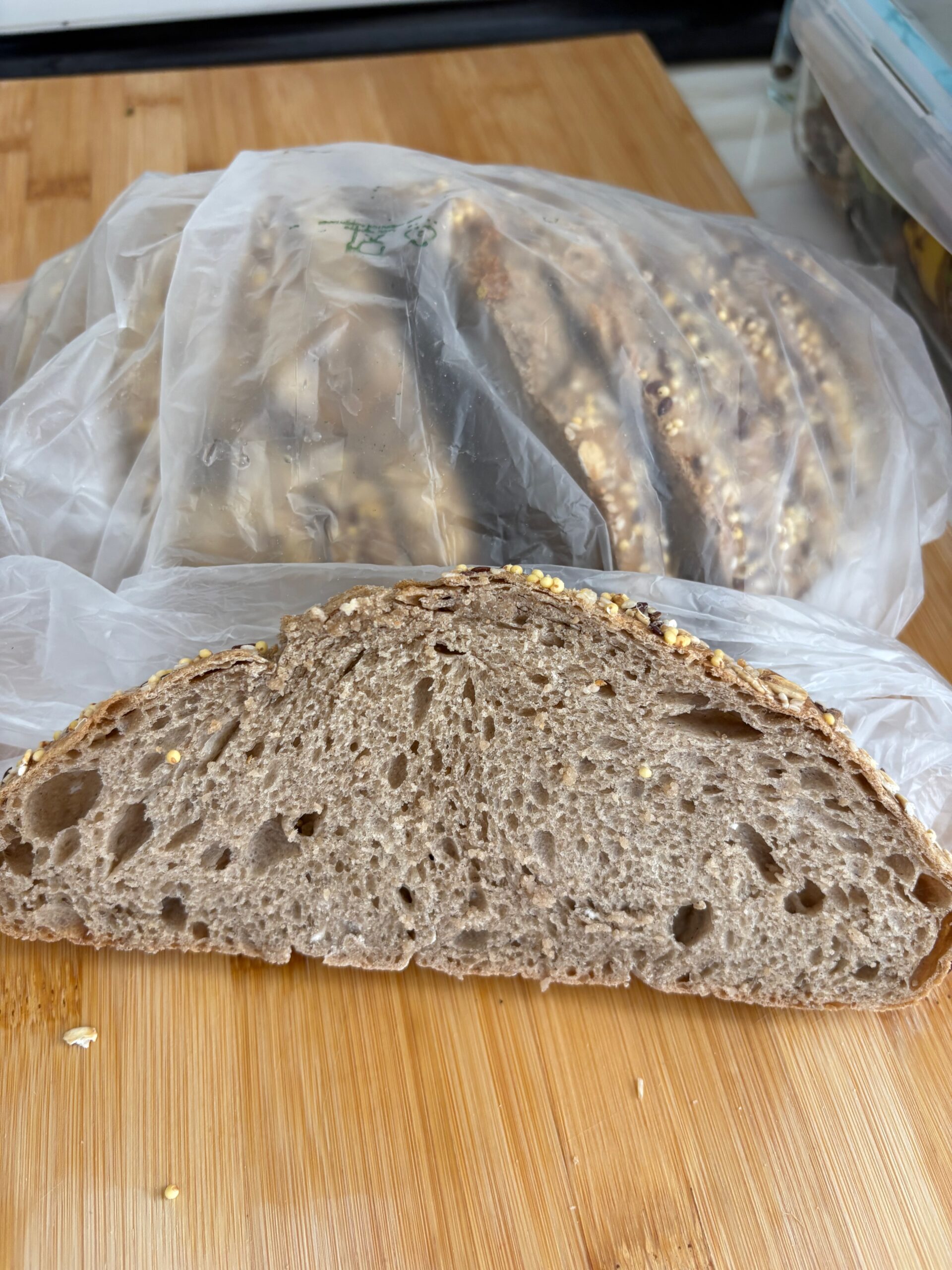
For people managing chronic illness, the question of how to eat well often starts in the wrong place. The current discussion about ultraprocessed foods sounds a lot like something I’ve been experimenting with in my own life for the last few years.
Right now, if you search for guidance on eating well, you’ll find yourself deep in a conversation about ultraprocessed foods — what they are, why they’re harmful, and how to avoid them. It’s a conversation worth having. The science is real, and the concern is genuine.
But there’s a problem. Nobody can quite agree on what an ultraprocessed food actually is.
I’ve been following this debate for a while, and a recent column by Dr. Leana Wen in the Washington Post brought it back into focus for me. Wen is an emergency physician and public health expert who writes about navigating health decisions with clarity and honesty. She describes the challenge well: the most widely used definition, the Nova classification system developed by Brazilian researcher Carlos Monteiro, casts such a wide net that whole-wheat bread can end up in the same category as cheese puffs and soda. That’s not very useful for anyone trying to make a real decision in a real grocery store aisle.
What If We Defined What Good Food Is?
Earlier this year, researchers writing in Nature Medicine proposed a different approach entirely. Instead of defining what an ultraprocessed food is, they suggested we define what it is not. Identify a clear category of foods that qualify as healthy, real, and minimally processed — and let everything outside that boundary fall into question. California is already testing a version of this idea with a proposed front-of-package seal that manufacturers could voluntarily apply for, showing their products meet a standard of not being ultraprocessed.
The shift sounds modest. It isn’t.
Defining the good, rather than cataloging the bad, changes the orientation completely. You’re no longer reading a label hunting for a disqualifying ingredient. You’re asking a different question: does this food belong to something I’m tending toward?
That question is one I’ve been sitting with for a long time. It’s at the heart of the work I do at Small Steps Lasting Change, a wellness practice I developed for people living with chronic illness and changing capacity — people whose bodies have real limits, and who still want to care for themselves well.
Lessons from The World’s Longest-Lived Populations
It turns out this orientation isn’t new. Researchers studying the world’s longest-lived populations — the Blue Zones, as Dan Buettner named them, regions like Sardinia, Okinawa, Ikaria, and the Nicoya Peninsula — found that people there weren’t following a diet. They were simply eating real food, mostly plants, close to where it was grown, often with other people. Sardinians tend toward fava beans, whole grain bread, and local vegetables. Okinawans toward sweet potatoes, tofu, and bitter melon. Ikarians toward olive oil, legumes, wild greens, and the occasional glass of wine. The Mediterranean diet, one of the most studied eating patterns in the world, reflects much of the same: fish, olive oil, leafy greens, legumes, fruit, nuts, whole grains.
What these ways of eating share isn’t a list of forbidden ingredients. It’s a quiet orientation toward food that is recognizable, real, and sustaining.
What It Looks Like in Real Life
In my own life, attending to nourishment looks far more ordinary than any of that — but it draws from the same spirit. It’s a handful of walnuts on my oatmeal in the morning because I know they will satisfy me. Plain yogurt with fruit instead of something that comes in a crinkly wrapper. Maybe eggs, leafy greens, a piece of salmon. Always an apple and cheese or nuts in my pocket when I leave the house (just in case I get hungry before I get back home). Simple things. Not perfect things — just things I’ve noticed, over time, genuinely sustain me.
What I’ve found, working with other people and in my own practice, is that cultivating a nourishing relationship with food is not the same thing as avoiding harm. It’s a different orientation entirely. Nourishment isn’t primarily a transaction between you and a food label. It happens in the caring and tending of your body, your hunger, what actually satisfies you, the rhythms of your actual day.
That kind of awareness builds slowly. It doesn’t require a chemistry degree or a perfect pantry. It requires a willingness to attend to what you notice.
The nutrition researchers seem to be arriving at something similar from the science side: that defining what you’re tending toward may be more useful, and more sustaining, than defining what you’re trying to escape. Cultures around the world figured that out long before the research caught up.
That’s a question worth carrying into your next meal. Not “What should I avoid?” but “What would actually nourish me right now?”
Notes
Dr. Wen’s column on ultraprocessed foods is published in the Washington Post. The Nature Medicine paper referenced here is “Identifying Ultra-Processed Foods for Policy,” published January 2026. More information about Dr. Wen can be found on her website.
Dan Buettner’s Blue Zones research is summarized in his book The Blue Zones: Lessons for Living Longer from the People Who’ve Lived the Longest. More information about the Blue Zones and Mr. Buettner can be found on the Blue Zones website.
If you enjoyed this post, you might also like The Year Food Became Real.
About this post
This post is about Nourish, one of the four Pillars of Small Steps Lasting Change. It looks at what the debate over ultraprocessed food misses: that defining what nourishes you may matter more than cataloging what to avoid. Learn more about Nourish. Read our other posts about Nourish.
About Small Steps Lasting Change
Small Steps Lasting Change is a wellness practice for people living with chronic illness and changing capacity. It is built around four Pillars (Move, Nourish, Rest, and Protect) and six Patterns for navigating change as it actually happens in a human life.
Begin where you are.
Nora Chaus is the founder of Small Steps Lasting Change. She is a retired registered nurse, a facilitator, and a work in progress. She divides her time between Portugal, Canada, and Baltimore.
Sources: