I spent most of my adult life trying to find movement enjoyable — without much success — until last summer.
What finally changed was not motivation, but method.
Using the National Diabetes Prevention Program model, I began to experiment with different kinds of activity and to add movement slowly into my life, in ways that fit my body rather than fighting it.
In August 2022, a physical therapist introduced me to the NuStep, a seated elliptical machine. It supported my body well and felt comfortable. He suggested that I use it for five minutes each time I came for physical therapy.
Soon, five minutes became ten.
Then thirty.
I decided to buy a NuStep for my home.
I also chose a cue to help me use it consistently. I regularly watch PBS NewsHour, so I decided I would watch the show each day while using the NuStep. Within a few days, I was pedaling through the entire broadcast.
By the time the State of the Union address aired in 2023, I pedaled through the full address and the opposing party’s rebuttal — nearly four hours.
I wasn’t moving because I loved moving.
I was moving because something I enjoyed made the movement tolerable.
That mattered.
⸻
When Support Worked — Until It Didn’t
About a year later, the NuStep was no longer challenging. My physical therapist suggested I begin walking.
I have a neurological condition that makes walking slow and difficult, but I wanted to try.
Using a walker, I began walking back and forth on the block where I lived. The progression was much slower than with the NuStep, but it felt good to be outside.
What I hadn’t anticipated was how different this would feel.
Watching the news had distracted me from the effort of pedaling. Walking outdoors offered no such distraction. It was just plain hard work. I wasn’t unhappy — but I wasn’t joyful either.
It was impossible to make it a habit, not because I lacked discipline, but because it didn’t yet give me anything back.
So I worked on walking sporadically.
⸻
Joy Enters the Story
Eventually, I took a fall-prevention class and became motivated to upgrade my walker. I chose one that was lighter, more ergonomic — and bright red.
It didn’t hurt that she was a little sexy, if I’m being honest.
With my new walker, it was easier to move. It rolled smoothly. It helped me stand more upright. My speed increased, and I found myself saying, “Look at me go!” as I walked back and forth on the block.
I named the walker Joy, because that is what she gave me.
Over time, my ability to walk increased. I began walking for transportation, not just exercise. By the time I moved to Baltimore in May 2024, I could walk about a quarter mile before needing to rest. Joy had a comfortable seat that made this possible.
I started riding the bus and exploring the city. I began to look forward to these opportunities to move.
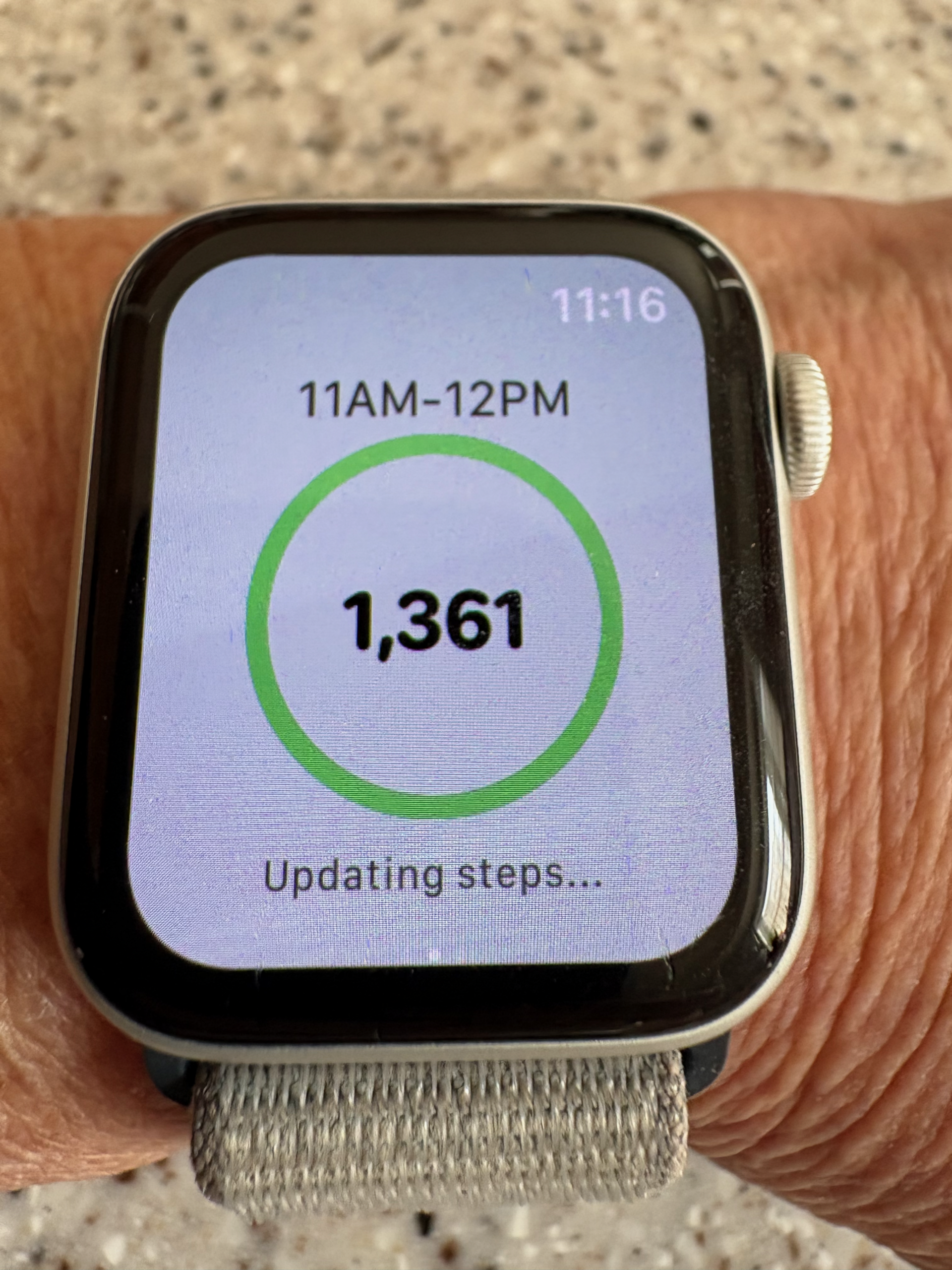
By the summer of 2025, I could walk three miles at a time.
Then I hurt my ankle.
Then I hurt my ankle.
Up until that moment, I had believed something quietly but firmly:
that if I built movement carefully enough, if I layered in enough support, if I respected my body and moved slowly, it would stay.
I had learned how to move without loving it — and then, unexpectedly, I had begun to love it again.
Not in the carefree way I had as a child.
But in a steadier way. A chosen way.
Movement had become part of my life not because it was effortless, but because it was supported.
I didn’t know yet how much of that belief rested on the assumption that progress, once earned, would remain.
I would learn that next.