Before puberty, I loved movement.
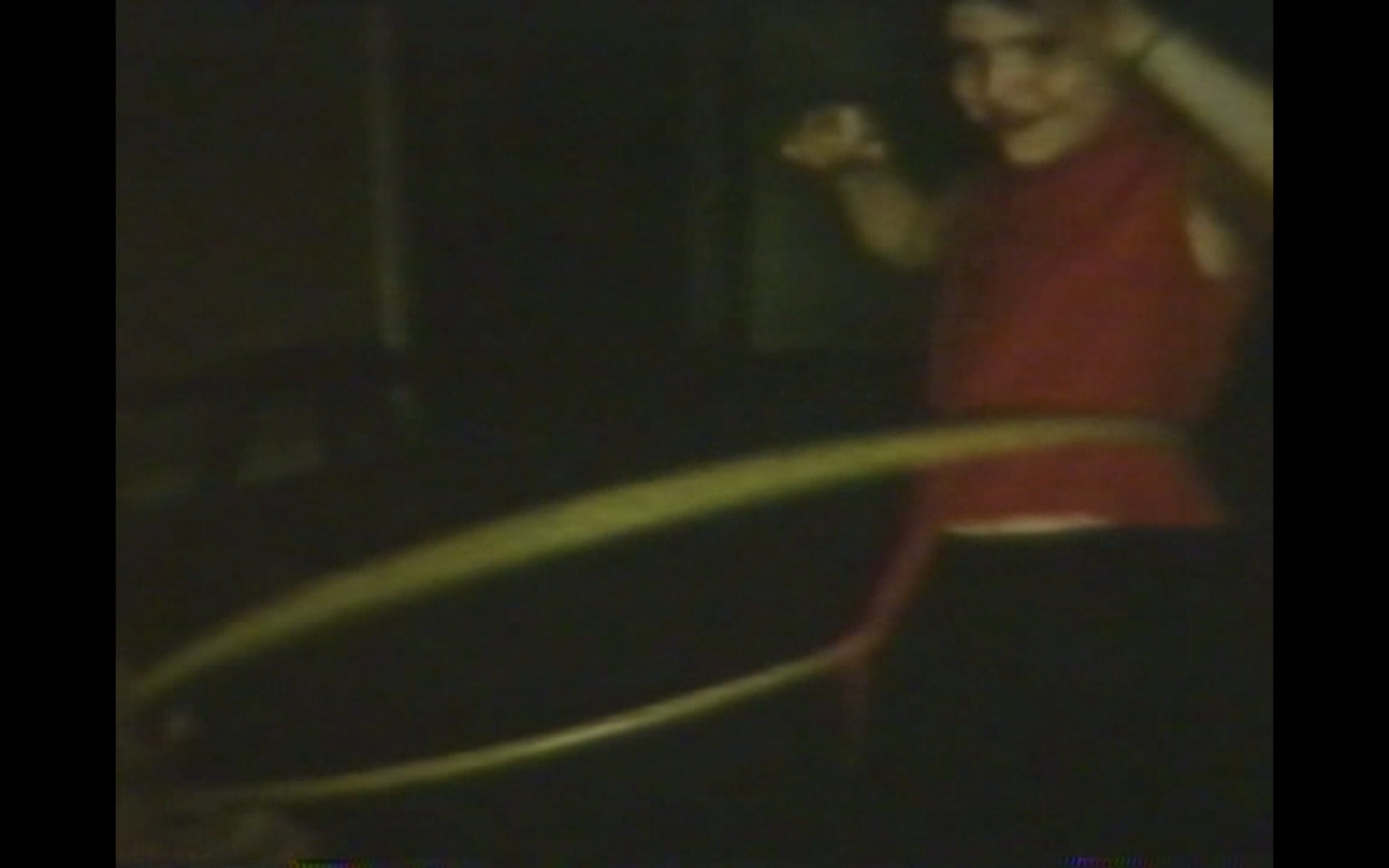
I was the hula hoop champion in elementary school. I rode my bicycle all over the mountain where we lived, riding for hours on end. I knew every path, stream, and waterfall in the woods around me. I could name most of the trees and many of the wildflowers.
I loved jump rope, tag, and playing on the slides and jungle gym. I thought of myself as a tomboy. Movement felt natural. It meant freedom, curiosity, and belonging in my body.
Something changed when I was about eleven.
I began to notice boys. I began to notice my skin getting wet when I was active — and that my underarms didn’t smell the way they used to. That embarrassed me. I started caring about my hair and how I dressed. I wanted to sit still in church when I sat next to a boy so he would think I was older than I actually was.
Around the same time, my physical education teacher wrote on my report card:
“Weak upper arms, must improve.”
Grade: C-.
I had never received a negative comment or grade on a report card before.
Then my periods began.
I was told I couldn’t swim, ride my bicycle, jump on my pogo stick, or use my hula hoop when my period came. No one explained why — just that I shouldn’t.
That was the end of my love of movement.
Not because my body failed me.
But because movement became complicated — watched, judged, restricted, and quietly loaded with rules.
⸻
Adulthood: Trying to Get Back
As I got older, I became less and less active.
In adulthood, I tried joining gyms to “get more active.” I bought an adult bicycle and tried to enjoy it, but it didn’t feel the same. As a child, my bicycle meant freedom. As an adult with a car and a driver’s license, it felt optional — and somehow performative.
I thought the problem was motivation.
What I didn’t yet understand was that I was still carrying decades of expectation, shame, and interruption — not just injury or habit.