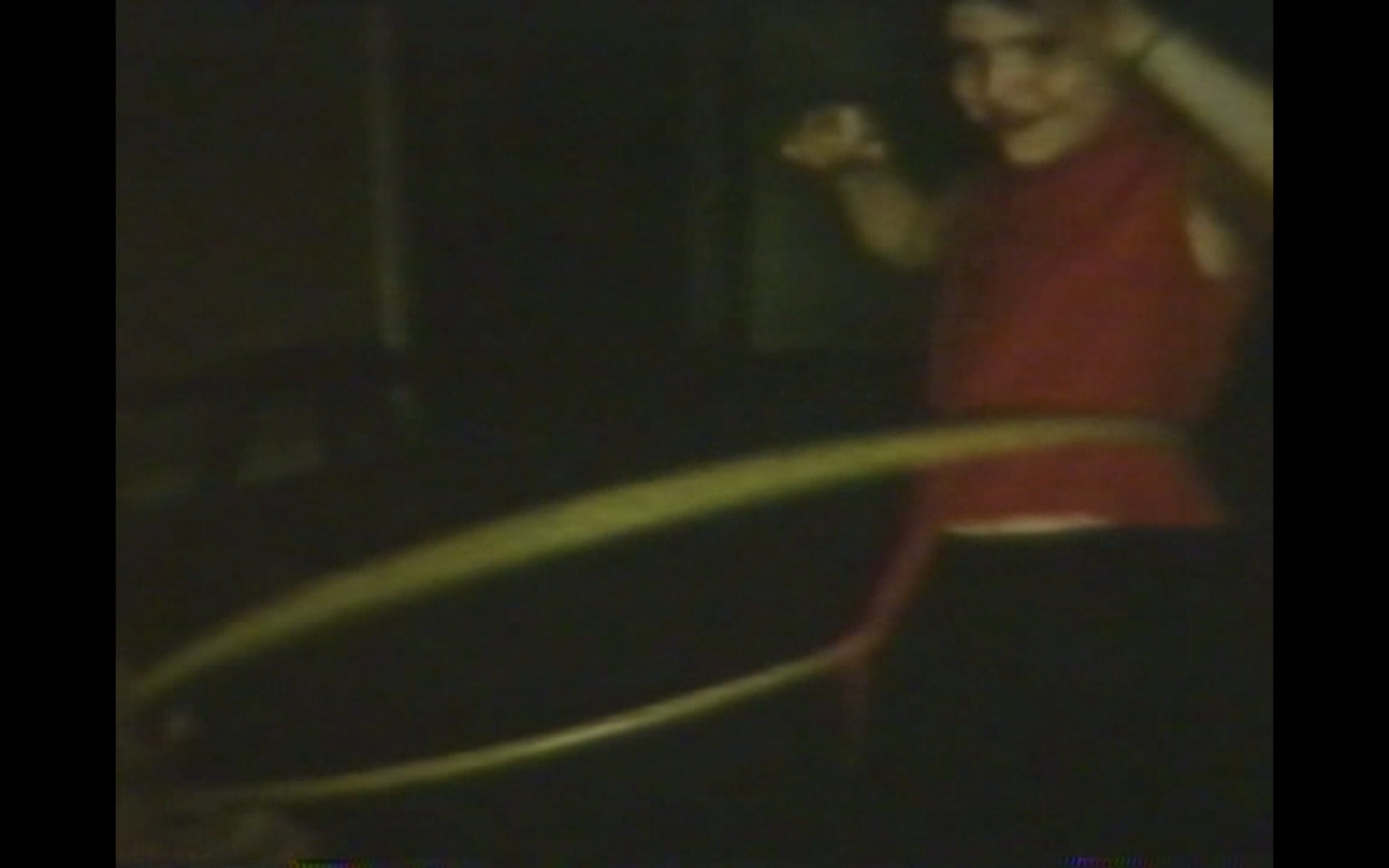
Finding a way to move when your body makes movement hard is not about motivation. It is about finding the right support.
I spent most of my adult life trying to find movement enjoyable, without much success, until last summer.
What finally changed was not motivation, but method.
Using the National Diabetes Prevention Program model, I began to experiment with different kinds of activity and to add movement slowly into my life, in ways that fit my body rather than fighting it.
In August 2022, a physical therapist introduced me to the NuStep, a seated elliptical machine. It supported my body well and felt comfortable. He suggested that I use it for five minutes each time I came for physical therapy.
Soon, five minutes became ten.
Then thirty.
I decided to buy a NuStep for my home.
I also chose a cue to help me use it consistently. I regularly watch PBS NewsHour, so I decided I would watch the show each day while using the NuStep. Within a few days, I was pedaling through the entire broadcast.
By the time the State of the Union address aired in 2023, I pedaled through the pre-show, the address, the rebuttal, and the commentary after, in total nearly four hours.
I wasn’t moving because I loved moving.
I was moving because something I enjoyed made the movement tolerable.
That mattered.
⸻
When Support Worked — Until It Didn’t
About a year later, the NuStep was no longer challenging. My physical therapist suggested I begin walking.
I have a neurological condition that makes walking slow and difficult, but I wanted to try.
Using a walker, I began walking back and forth on the block where I lived. The progression was much slower than with the NuStep, but it felt good to be outside.
What I hadn’t anticipated was how different this would feel.
Watching the news had distracted me from the effort of pedaling. Walking outdoors offered no such distraction. It was just plain hard work. I wasn’t unhappy — but I wasn’t joyful either.
It was impossible to make it a habit, not because I lacked discipline, but because it didn’t yet give me anything back.
So I worked on walking sporadically.
⸻
Joy Enters the Story
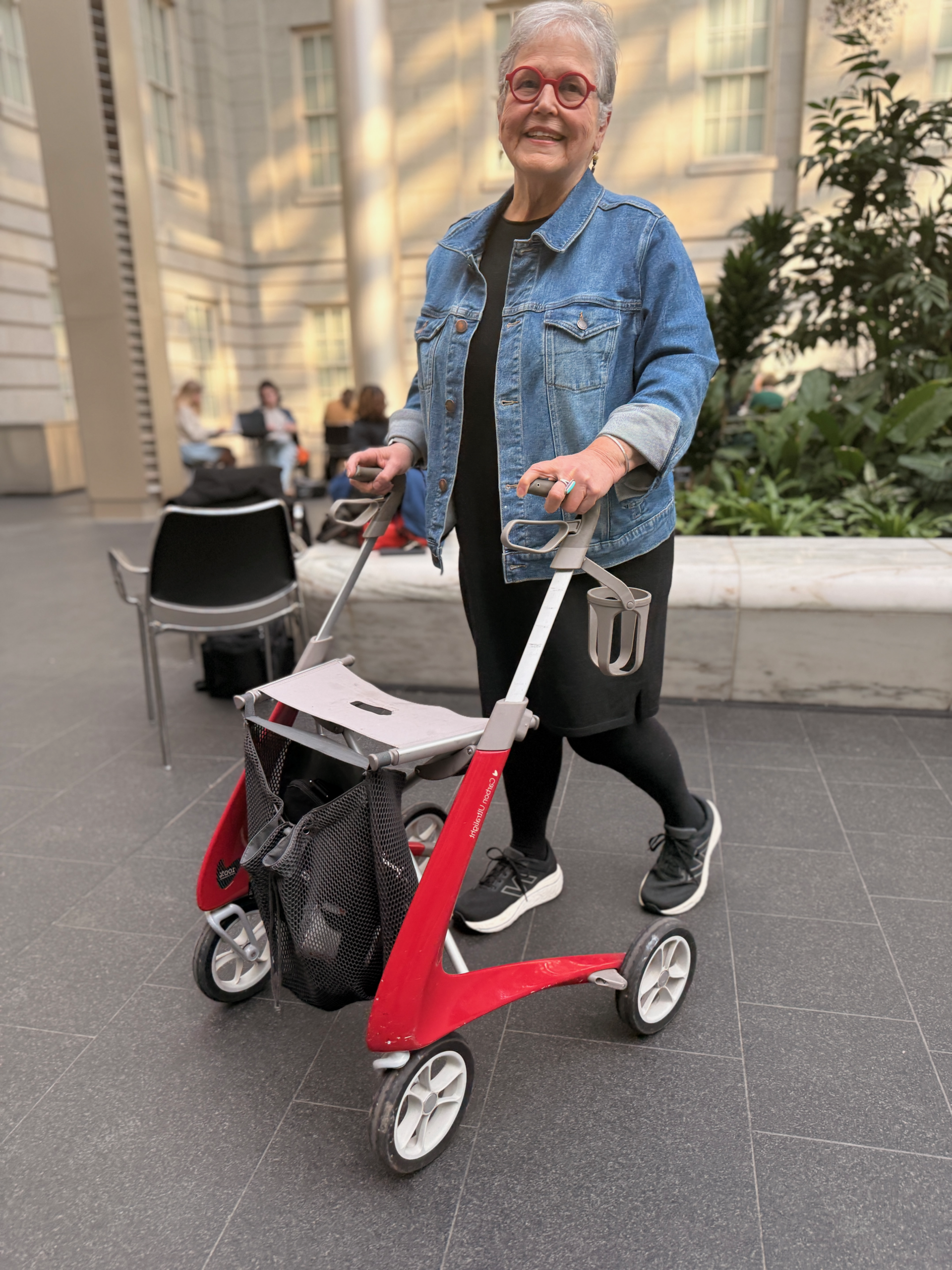
Eventually, I took a fall-prevention class and became motivated to upgrade my walker. I chose one that was lighter, more ergonomic, and bright red.
It didn’t hurt that she was a little sexy, if I’m being honest.
With my new walker, it was easier to move. It rolled smoothly. It helped me stand more upright. My speed increased, and I found myself saying, “Look at me go!” as I walked back and forth on the block.
I named the walker Joy, because that is what she gave me.
Over time, my ability to walk increased. I began walking for transportation, not just exercise. By the time I moved to Baltimore in May 2024, I could walk about a quarter mile before needing to rest. Joy had a comfortable seat that made this possible.
I started riding the bus and exploring the city. I began to look forward to these opportunities to move.
By the summer of 2025, I could walk three miles at a time.
⸻
Then I Hurt My Foot.
Up until that moment, I had believed something quietly but firmly:
If I built movement carefully enough, if I layered in enough support, if I respected my body and moved slowly, it would stay.
I had learned how to move without loving it, and then, unexpectedly, I had begun to love it again.
Not in the carefree way I had as a child.
But in a steadier way. A chosen way.
Movement had become part of my life not because it was effortless, but because it was supported.
I didn’t know yet how much of that belief rested on the assumption that progress, once earned, would remain.
I would learn that next.
⸻
Continuing the Story
This is part of a longer story about movement. You can read it from the beginning here.
About this post
This post is about Move, one of the four Pillars of Small Steps Lasting Change. It’s about how I gradually built up my exercise tolerance and learned to love movement, and then an injury made it hard again. Learn more about Move.
Read our other posts about Move.
About Small Steps Lasting Change
Small Steps Lasting Change is a wellness practice for people living with chronic illness and changing capacity. It is built around four Pillars (Move, Nourish, Rest, and Protect) and six Patterns for navigating change as it actually happens in a human life.
Begin where you are.
Nora Chaus is the founder of Small Steps Lasting Change. She is a retired registered nurse, a facilitator, and a work in progress. She divides her time between Portugal, Canada, and Baltimore.