





Nourish

Nourish is the practice of tending to your body’s need for food — not perfectly, but steadily.

What Nourish Is


It is not about eating the right things. It is about paying attention.

To nourish is to notice what your body needs and respond with care.

These are not judgments. They are information.

Nourish is not a one-time fix. It is something you tend to — and each time you do, you understand it more deeply.

You may circle back to the same questions:
Am I eating enough?
Am I eating in balance?
Am I fueling what my body needs right now?

You are not starting over when you revisit these questions.

You are building skill.

What Nourish Is Not

Nourish is not dieting.

It is not punishment after weight gain.
It is not restriction driven by fear.
It is not reacting to shame.
It is not obsessing over what you cannot eat.
It is not chasing food trends.
It is not moralizing ingredients.
It is not swinging between extremes.

Nourish is not dramatic.
It is consistent.

It begins with what you can tend to — not what you must eliminate. I’ve been thinking about this here: What If We Started With What’s Good?

How Nourish Shows Up in Daily Life

Nourish shows up quietly in ordinary decisions.
It may look like:

repeating breakfasts that work
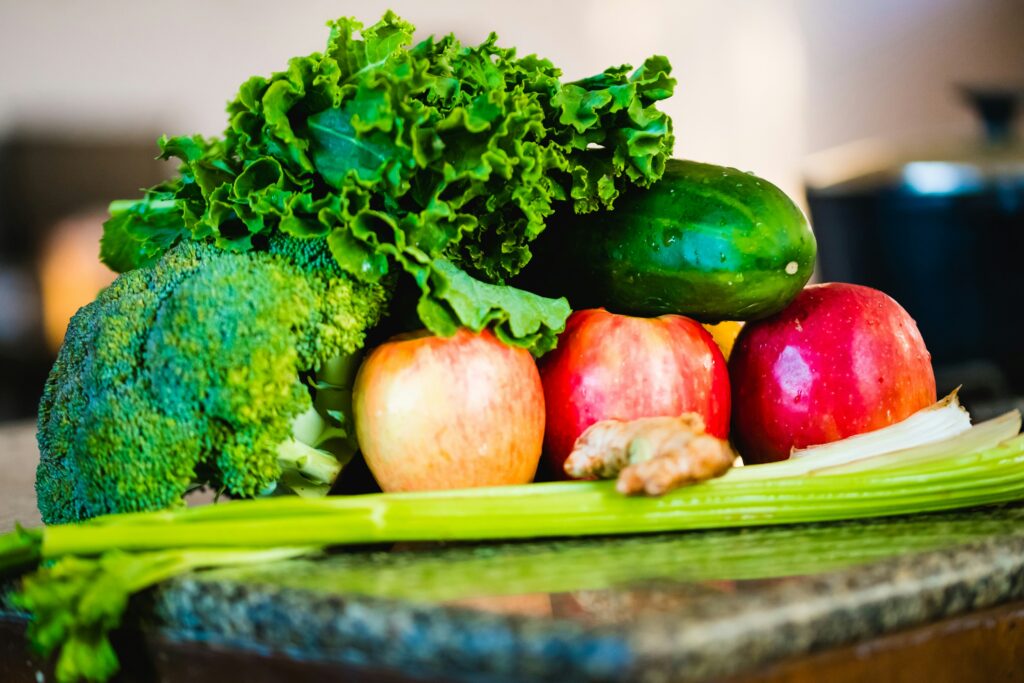
keeping fruits and vegetables where you can see them
eating before you are overly hungry
noticing an energy dip and experimenting with meal timing
paying attention to how food smells, tastes, and feels in your mouth
all of these belong

Small adjustments, repeated consistently.
That is the practice.

When Nourish Becomes Difficult

Nourish becomes difficult when life becomes heavy:

after illness or injury
during stress or disruption
when depression lowers energy
when old habits feel stronger than new ones
when the body changes and what used to work no longer works

Sometimes it feels easier to avoid thinking about food altogether.
That is not failure. That is drift.

When circumstances shift, the practice of Nourish asks for adaptation rather than persistence.

This is when centering, awareness, and experimentation matter most.

Movement is another domain that often shifts alongside Nourish Sometimes they support each other. Sometimes one steadies the other. The On Movement series explores what that looks like in a real life.

The Processes

How Nourish Connects to the Processes

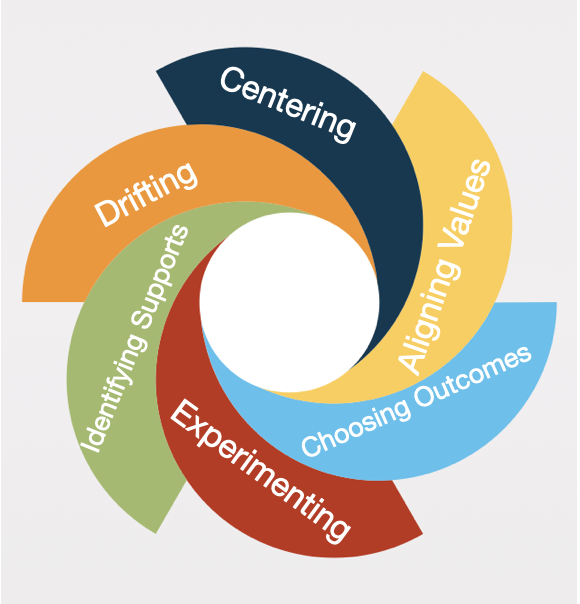
The practice of Nourish is supported by The Processes.
You may:

center before responding to a craving or a difficult moment
align values when food feels loaded or complicated
choose outcomes that support comfort, function, or energy
experiment with new forms of movement
identify supports — structure, tools, or help — that make steady eating possible
notice drift when old patterns quietly return

Nourish changes as your body and life change.

Your relationship to food can change too.

Learn more about The Processes.

Nourishing Within Real Life

Nourish happens in real kitchens and real schedules.

In families with different preferences.
In tight budgets.
In busy weeks.
In travel.
In grief.
In celebration.

It does not require a perfect environment.
It requires consistency within your actual circumstances.


That might mean repeating simple meals.
Keeping something nourishing nearby before you leave the house. Choosing structure most days and flexibility when life asks for it.


It is structured without being rigid.
Flexible without being careless.

Begin Where You Are

Begin with what is already working.

If you eat breakfast most days, strengthen that.
If dinner is chaotic, do not start there.
If tracking feels overwhelming, begin with regular meals.
If you are depleted, begin with eating enough.
If you are stable, refine balance.

You do not need to overhaul everything.
You need one clear next step.

Each time you return your attention to this practice, you bring more awareness.

You are not starting from the beginning.
You are continuing.

Scroll to Top